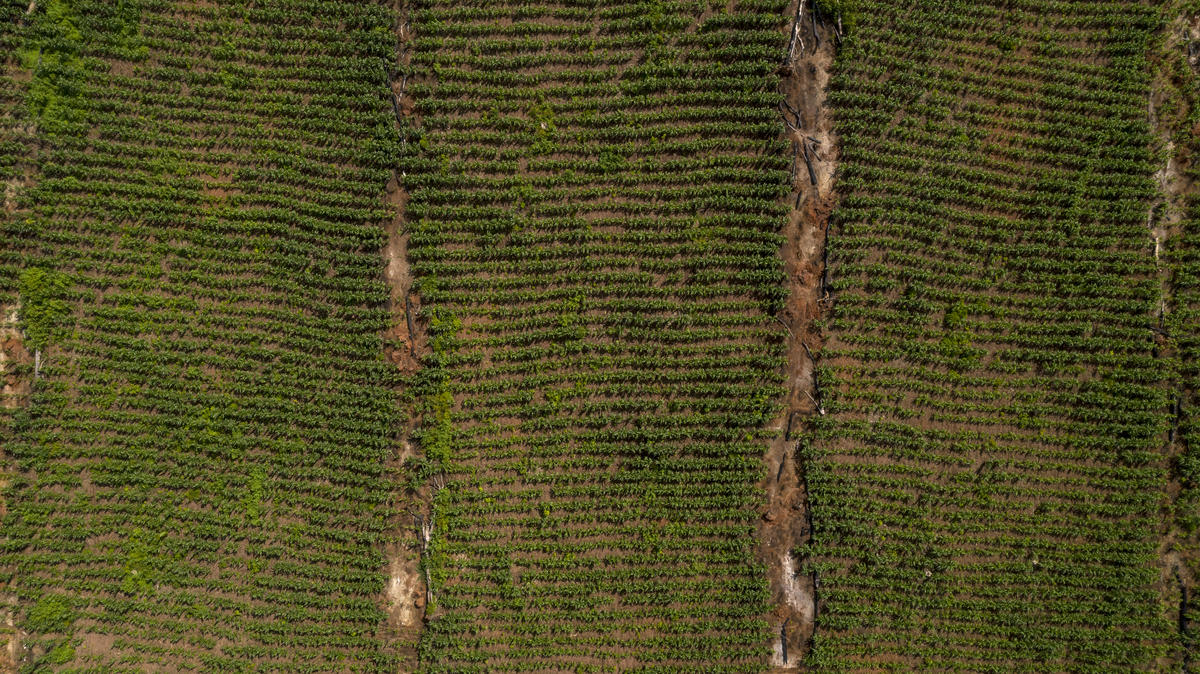
Every year, governments spend an estimated US$470 billion on agricultural subsidies that harm forests and other natural ecosystems, and contribute to biodiversity loss. There is increasing global attention on the need to repurpose these kinds of subsidies, and initiate incentives that can have a positive impact on food production and nature conservation while supporting more sustainable, equitable, and just food systems.
Under Target 18 of the Global Biodiversity Framework (GBF), 196 countries agreed to identify and eliminate, phase out or reform subsidies and other incentives that harm biodiversity and scale up positive incentives. As part of the Glasgow Leaders’ Declaration, 145 governments agreed to work collectively to halt and reverse forest loss by 2030, including by redesigning agricultural policies and programmes to incentivize sustainable agriculture. Despite these commitments and the widely acknowledged need to repurpose harmful subsidies, little has been done to define guidelines and criteria to guide this process.
WWF's new report, Turning Harm into Opportunity: Repurposing Agricultural Subsidies that Destroy Forests and Non-Forest Natural Ecosystems, examines the impact of subsidies on deforestation and conversion of non-forest natural ecosystems, drawing on lessons from Brazil and Malawi, and offers a framework for assessing the feasibility and impacts of redirecting environmentally harmful agricultural subsidies to forest conservation, land, and forest restoration, and sustainable land use practices.
In this webinar, WWF will present the findings of the study and will convene a discussion among policymakers and civil society actors on pathways to repurposing subsidies.
Register for the webinar here. Interpretation will be available in Spanish, Portuguese and French.
Download the report HERE.